

 Myopia management
 Dry Eye Treatment

Diabetic Eye Exams: Monitoring Retinal Health Before Symptoms
Blog:Diabetic Eye Exams: Monitoring Retinal Health Before Symptoms
Diabetic Eye Exams: Monitoring Retinal Health Before Symptoms
Diabetes can affect more than your blood sugar. It can also impact your vision and overall eye health, sometimes without noticeable warning signs. Even when your eyesight seems clear, changes may be developing inside your eyes. At TSO Kingwood, we provide diabetic eye exams in Kingwood, TX, to monitor retinal health, identify potential concerns, and help patients protect their long-term vision.
How Diabetes Affects Retinal Health
The retina is the light-sensitive tissue at the back of your eye that helps process visual information. Over time, elevated blood sugar can damage the retina's small blood vessels, potentially leading to diabetic retinopathy.
Diabetic retinopathy may cause blood vessels to leak, swell, or become blocked. These changes can eventually affect vision, particularly if swelling develops in the macula, the part of the retina responsible for sharp central vision.
One concern is that early diabetic retinopathy often develops without noticeable symptoms. This makes regular diabetic eye exams essential, even if you have not experienced blurry vision or other changes.
Why Diabetic Eye Exams Matter Before Symptoms Appear
Waiting until your vision changes can allow diabetic eye disease to progress without detection. Regular retinal evaluations help us identify early abnormalities and determine whether additional monitoring or treatment is necessary.
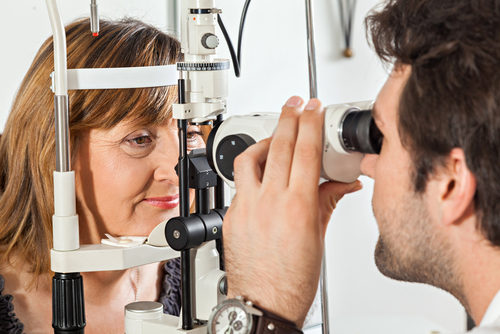
During a diabetic eye exam at our Kingwood practice, we evaluate your eye health and look for signs of diabetes-related damage. Depending on your needs, we may recommend dilation or additional retinal imaging to examine structures that cannot be fully assessed through a standard vision test.
Early detection allows us to establish a monitoring plan, recommend appropriate follow-up care, and coordinate with other healthcare professionals when needed.
What Happens During a Diabetic Eye Exam?
A diabetic eye exam involves more than checking whether you need glasses. Our goal is to evaluate the health of your eyes and identify changes that could affect your vision.
Depending on your medical history and examination findings, your visit may include:
Medical History Review: We discuss your diabetes history, current medications, vision concerns, and other relevant health conditions.
Visual Acuity Testing: We assess how clearly you see at different distances.
Retinal Examination: We examine the retina for abnormalities, including changes to blood vessels.
Pupil Dilation: When appropriate, dilating drops allow us to examine the back of your eyes more thoroughly.
Retinal Imaging: Additional imaging may help us document retinal changes and monitor your eye health over time.
We tailor each diabetic eye exam to your individual needs and explain any findings that may require attention.
How Often Should You Schedule a Diabetic Eye Exam?
The recommended frequency of diabetic eye exams depends on factors such as your type of diabetes, medical history, previous examination results, and existing retinal changes.
Many patients benefit from annual evaluations, although some may need more frequent monitoring. We can help determine an appropriate schedule based on your eye health and coordinate care with your diabetes management team.
Maintaining healthy blood sugar, blood pressure, and cholesterol levels with guidance from your healthcare providers can also help reduce the risk of diabetes-related eye complications.
Pay Attention to Changes in Your Vision
Although diabetic eye disease can develop silently, certain symptoms deserve prompt attention. Blurry or fluctuating vision, new floaters, and difficulty seeing clearly may indicate changes that require evaluation.
Sudden vision loss, a significant increase in floaters, flashes of light, or a dark curtain across your vision requires urgent medical attention.
If you have diabetes, don't wait for noticeable vision problems to prioritize your retinal health. Schedule a diabetic eye exam with TSO Kingwood at 25639 Highway 59 N., Suite 109, Kingwood, TX 77339, or call (346) 466-4600 to book your appointment today.
Quick Links
Helpful Articles
article_category: restorative
article_category: vision therapy
article_category: contact lenses
article_category: health
article_category: conditions
article_category: eye surgery co-management
article_category: exotic
article_category: cosmetic
article_category: products
article_category: psychiatry
article_category: faqs
article_category: cats
article_category: general
article_category: services
article_category: technology
article_category: dogs
article_category: surgical procedures
article_category: aesthetics
article_category: preventative
article_category: ocular disease management
article_category: eyeglasses
article_category: eye health
article_category: large animal
[]
Flowbite is an open-source library of interactive components built on top of Tailwind CSS including buttons, dropdowns, modals, navbars, and more.
Check out this guide to learn how to get started and start developing websites even faster with components on top of Tailwind CSS.

All Eyecare Services
We offer a wide variety of eye care services to the Kingwood community. Contact us with any questions about our services.

Keep In Touch
For non-urgent questions or to learn more about our services, contact us today!

Contact Information
Office Hours
- Monday 9:00 AM - 6:00 PM
- Tuesday 9:00 AM - 7:00 PM
- Wednesday 9:00 AM - 6:00 PM
- Thursday 9:00 AM - 7:00 PM
- Friday 9:00 AM - 6:00 PM
- Saturday 8:30 AM - 4:00 PM
- Sunday Closed
- Monday 9:00am - 6:00pm
- Tuesday 9:00am - 6:00pm
- Wednesday 9:00am - 6:00pm
- Thursday 9:00am - 6:00pm
- Friday 9:00am - 6:00pm
- Saturday 10:00am - 2:00pm
- Sunday Closed
- Monday 8:00am - 5:00pm
- Tuesday
- Wednesday
- Thursday
- Friday
- Saturday
- Sunday
© 2026 Texas State Optical. All rights Reserved - Accessibility Statement - Privacy Policy - Sitemap
Managed and Designed by 